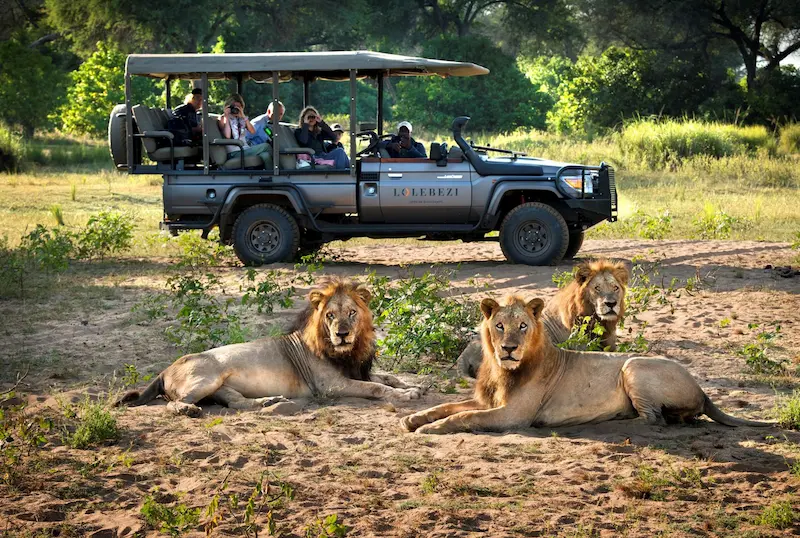
Planning an African safari often begins with choosing a destination — Botswana, Kenya, Zambia, South Africa, Tanzania, to name a few. But once you begin exploring the possibilities, another important question quickly arises:
Should you stay inside a national park, or in a private game reserve or concession?
Both offer extraordinary wildlife encounters, breathtaking landscapes, and unforgettable moments in nature. Yet the experience on the ground can feel quite different depending on where you stay.
Understanding the distinction between national parks and private reserves will help you choose the safari style that best aligns with your travel expectations — whether you’re dreaming of wide-open wilderness, intimate wildlife encounters, or a quieter, more exclusive safari atmosphere.
What Is a National Park?
National parks are government-protected areas dedicated to conservation and public access. These parks often cover enormous landscapes and protect some of Africa’s most famous ecosystems.
Examples include the Serengeti National Park, Kruger National Park, and the Masai Mara National Reserve.
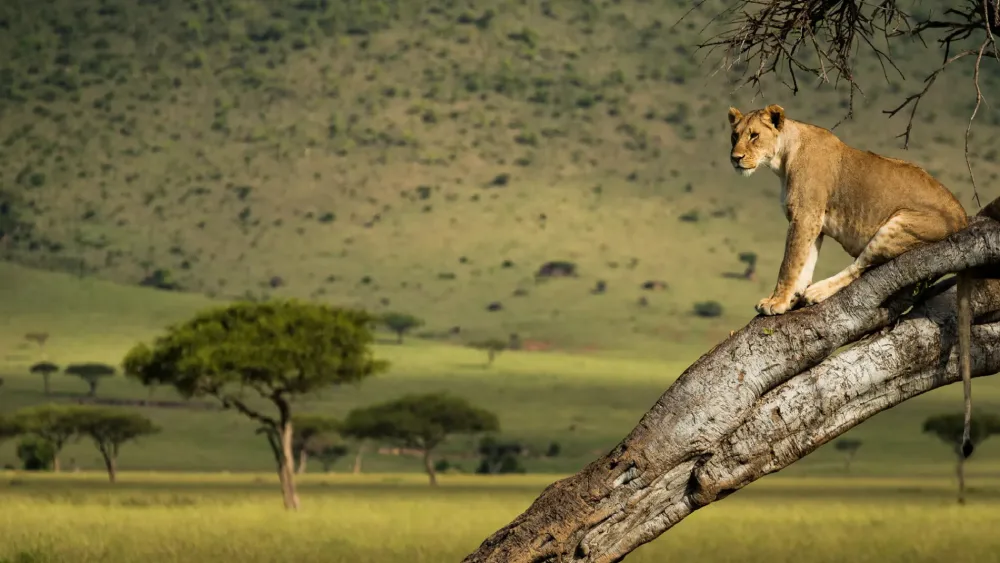
These landscapes are legendary for a reason. The Serengeti hosts the Great Migration, Kruger supports one of the highest densities of wildlife in Africa, and the Masai Mara offers exceptional predator sightings throughout the year.
What to expect inside a national park
National parks follow strict conservation regulations designed to protect wildlife and ecosystems. These rules shape how safari activities operate.
Typically, visitors can expect:
• Designated roads and driving routes
• Limited off-road driving (often not permitted)
• Set gate hours
• No night drives in most parks
• Larger areas accessible to the public
Because national parks are open to a wider range of visitors, they can sometimes feel busier — particularly in popular areas during peak travel seasons. During the Great Migration in the Serengeti or the Masai Mara, for example, multiple vehicles may gather at a dramatic river crossing or predator sighting.
That said, the sheer scale of these landscapes often offsets the presence of other vehicles. Many travelers appreciate the feeling of exploring one of the world’s great natural parks.
What Is a Private Game Reserve or Concession?
Private reserves and concessions operate under a different model. These areas may sit adjacent to national parks or exist within the same ecosystem but are privately managed through conservation agreements or long-term leases.
Some of the most celebrated safari regions in Africa fall into this category.
For example:
• Sabi Sands Game Reserve, bordering Kruger National Park
• Grumeti Reserve in Tanzania
• Private conservancies surrounding the Masai Mara
• Exclusive concessions in Botswana’s Okavango Delta
Wildlife moves freely between many of these areas and neighboring national parks, meaning the animals are the same — but the safari experience itself can be very different.

Why Many Travelers Choose Private Reserves
Private reserves are often favored by travelers seeking a more immersive, flexible, and intimate safari experience.
Fewer Vehicles at Sightings
In most private reserves, the number of vehicles allowed at a wildlife sighting is strictly controlled. This means you may spend extended time watching a leopard or lion pride without the crowd that can sometimes gather in busier park areas.
Off-Road Driving
In many private reserves, guides are permitted to leave the main roads and follow wildlife tracks carefully through the bush.
This allows guides to position vehicles respectfully while still offering remarkable views of elusive animals. For photographers especially, this flexibility can make a significant difference.
Night Drives
Another major advantage of private concessions is the ability to conduct night drives. With spotlights, guides and trackers search for nocturnal animals such as:
• Leopards on the hunt
• Bush babies
• Aardvarks
• Civets and genets
These experiences reveal an entirely different side of the African wilderness.
Walking Safaris
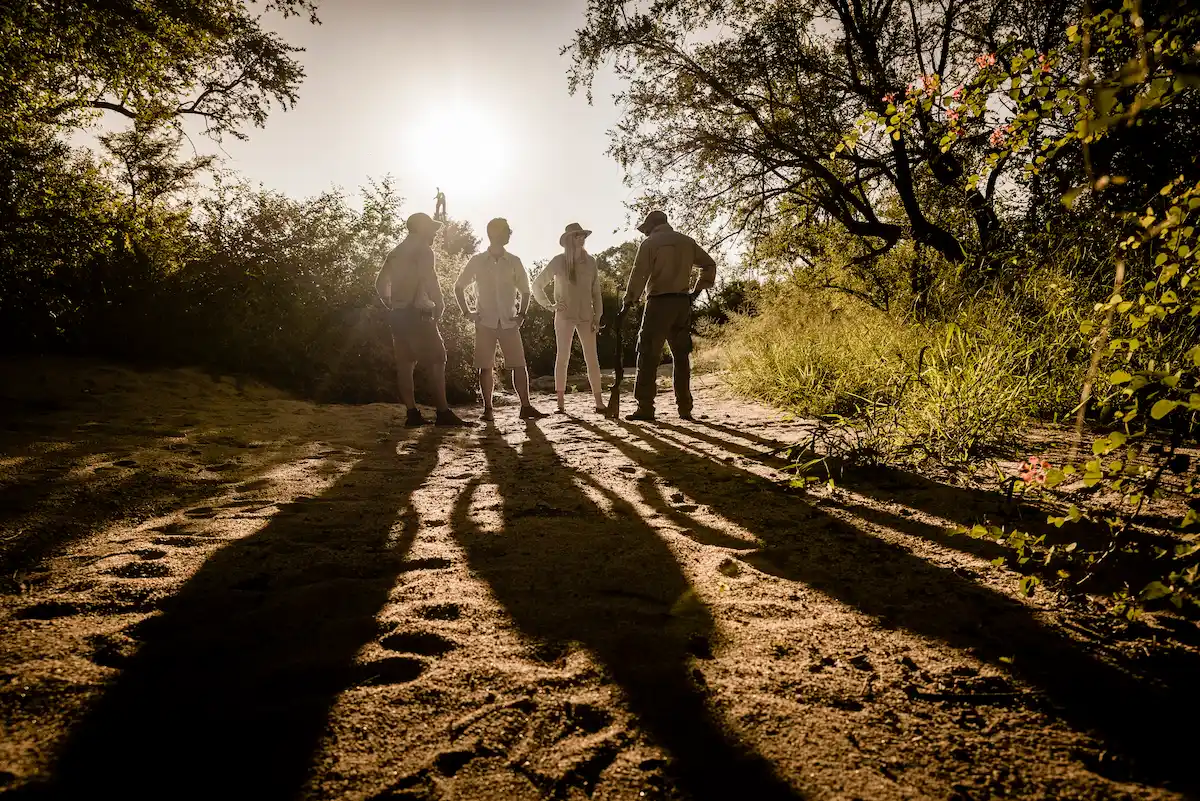
Many private reserves also offer guided walking safaris, allowing guests to experience the bush on foot with an expert guide. Walking safaris offer a slower, more sensory experience — focusing on tracks, birds, plants, and the subtle rhythms of the ecosystem.
An Example: Sabi Sands vs Kruger National Park
One of the clearest examples of the difference between park and private reserve can be seen in South Africa.
Kruger National Park is vast, accessible, and incredibly rich in wildlife. It’s one of Africa’s greatest conservation success stories.
Just along its western boundary lies Sabi Sands Game Reserve, where wildlife moves freely across unfenced borders between the two areas.
The difference is not the animals — it’s the experience.
In Sabi Sands:
• Vehicle numbers are limited
• Off-road tracking is permitted
• Night drives are standard
• Sightings are often longer and more intimate
This is why Sabi Sands has earned its reputation as one of the best places in Africa to see leopards.
An Example: Serengeti vs Grumeti
Another fascinating comparison exists in Tanzania.
The Serengeti National Park is one of the most famous wildlife destinations on earth. Its endless plains host the dramatic spectacle of the Great Migration, where millions of wildebeest and zebra move across the ecosystem each year.
Within the western corridor lies the Grumeti Reserve, a privately managed conservation area that shares the same migration routes.
Here, guest numbers are carefully limited, creating a quieter and more exclusive experience — even during migration season.
Travelers staying in Grumeti often enjoy the same wildlife movements while experiencing far fewer vehicles.
Conservancies in Kenya: A Hybrid Model
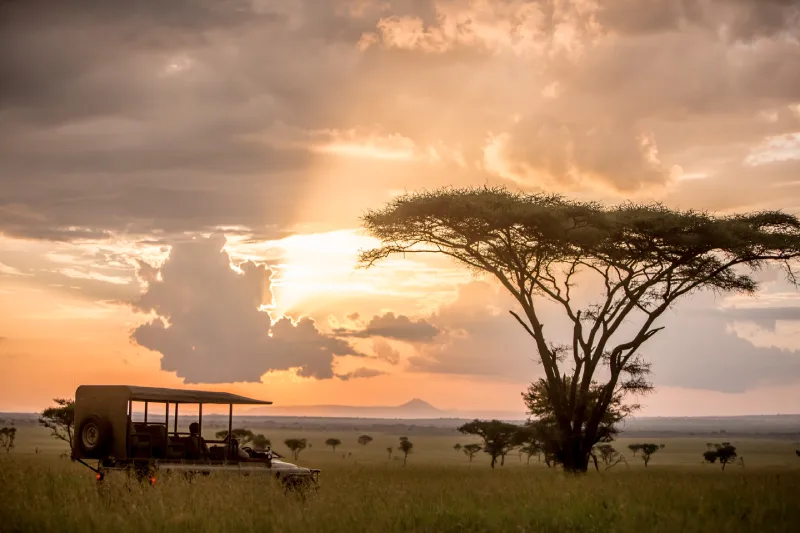
Kenya offers another interesting variation with its network of private conservancies surrounding the Masai Mara.
While the Masai Mara National Reserve remains one of Africa’s most iconic safari destinations, the surrounding conservancies offer lower guest density and greater flexibility for activities such as night drives and guided walks.
Many of our curated Kenya itineraries combine both areas, allowing travelers to enjoy the scale of the Mara while also experiencing the quieter atmosphere of the conservancies.
Which Option Is Right for You?
There is no universal answer — the best choice depends on what kind of safari experience you’re seeking.
National parks may be ideal if you value:
• Vast landscapes and iconic ecosystems
• Classic migration scenes
• Broad accessibility and flexibility in travel style
Private reserves may be ideal if you prefer:
• Fewer vehicles at sightings
• Off-road wildlife tracking
• Night drives and walking safaris
• A quieter, more exclusive atmosphere
Many of the most rewarding itineraries combine both. A journey might begin in a private concession for intimate wildlife encounters and end in a national park where the scale of the landscape becomes part of the story.
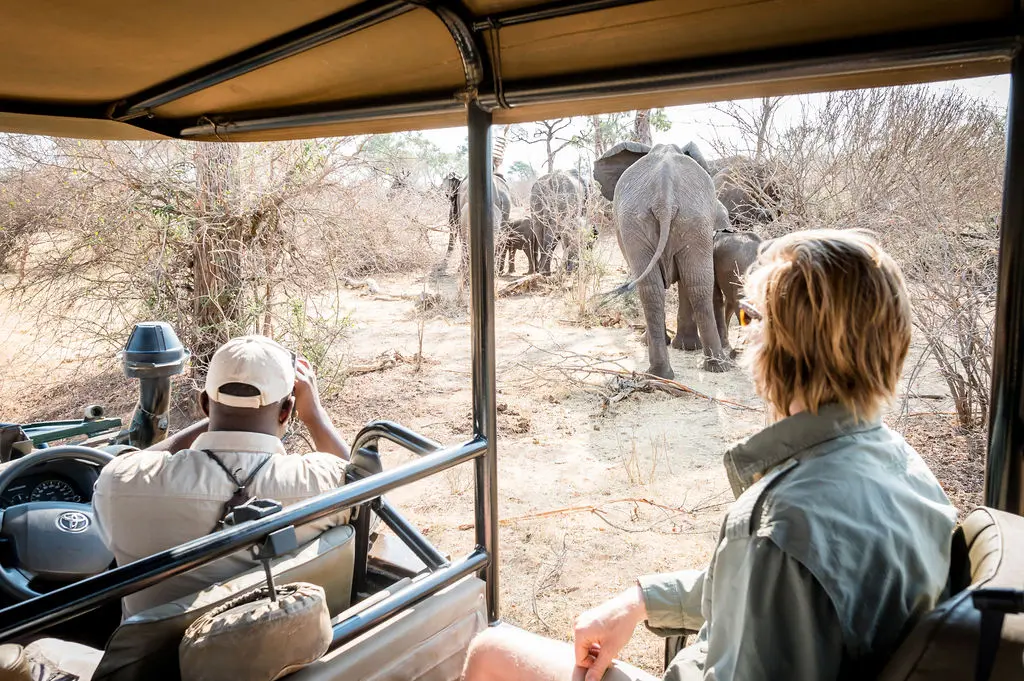
Designing a Safari That Feels Right for You
A safari is far more than simply choosing a destination on a map. It’s about creating the right rhythm of landscapes, wildlife encounters, and lodge experiences.
For some travelers, that means the iconic plains of the Serengeti. For others, it means the quieter intimacy of a private reserve where time seems to slow down around a single sighting.
The most memorable safaris often blend these experiences together — combining scale with exclusivity, adventure with comfort.
Ready to Begin Planning Your Safari?
Choosing between a national park and a private reserve is just one step in designing an unforgettable African journey.
At Golden Horizons Safari Co., every itinerary begins with a thoughtful consultation to understand your travel style, expectations, and timing. From there, we craft a bespoke safari that balances wildlife, comfort, and meaningful experiences in the wild.
If you’re dreaming about Africa in 2026 or beyond, we would be delighted to begin the conversation.
Your African safari begins with a conversation.
→ Start your journey today.